The Post-Cloud Era in 2026: Why Edge AI and Local Processing Are Killing the Centralized Hyperscaler Monolith

Centralized AWS dependencies and ballooning FX costs are crippling African tech startups. In 2026, the paradigm is shifting toward Edge AI, Small Language Models (SLMs), and decentralized hybrid architectures.
The Death of US-East-1 Dominance
For the past decade, the default architectural decision for tech startups across Africa was embarrassingly simple: spin up an EC2 instance on us-east-1, connect a managed database, and call it a day. But as we step deeper into 2026, that default strategy has turned into a financial and operational nightmare.
With ongoing FX volatility in emerging markets and the astronomical compute demands of generative AI workflows, relying entirely on centralized hyperscalers in Virginia or Frankfurt is no longer viable. Cloud bills for companies streaming raw telemetry or orchestrating heavy AI agents back to North American servers have skyrocketed by up to 300%. Add a 180ms latency floor across submarine cables, and the traditional cloud monolith breaks down.
We are officially living in the Post-Cloud Era—a period defined by distributed Edge AI runtime environments, Small Language Models (SLMs) running on client hardware, and hyper-localized data processing.
The Rise of Edge AI and On-Device Inference
In 2024, the tech industry thought the solution to AI integration was calling OpenAI's GPT-4 API for every micro-interaction. In 2026, that approach is considered architectural negligence. Calling a monolithic 200-billion parameter model in the cloud to extract a structured JSON payload from a user invoice is like using a sledgehammer to crack a peanut.
Modern engineering teams are adopting Edge AI workflows. By compiling quantized 1B to 3B parameter models using WebAssembly (Wasm) and ONNX, high-throughput applications execute intelligent routines directly within the edge runtime or right inside the user's browser.
Platforms like Cloudflare Workers and Vercel Edge Functions now allow micro-models to run with near-zero cold-start times. By filtering, classifying, and processing 80% of data at the network edge before it ever touches a central database, engineering teams cut server bandwidth costs while delivering sub-20ms responsiveness to users in Lagos, Nairobi, and Johannesburg.
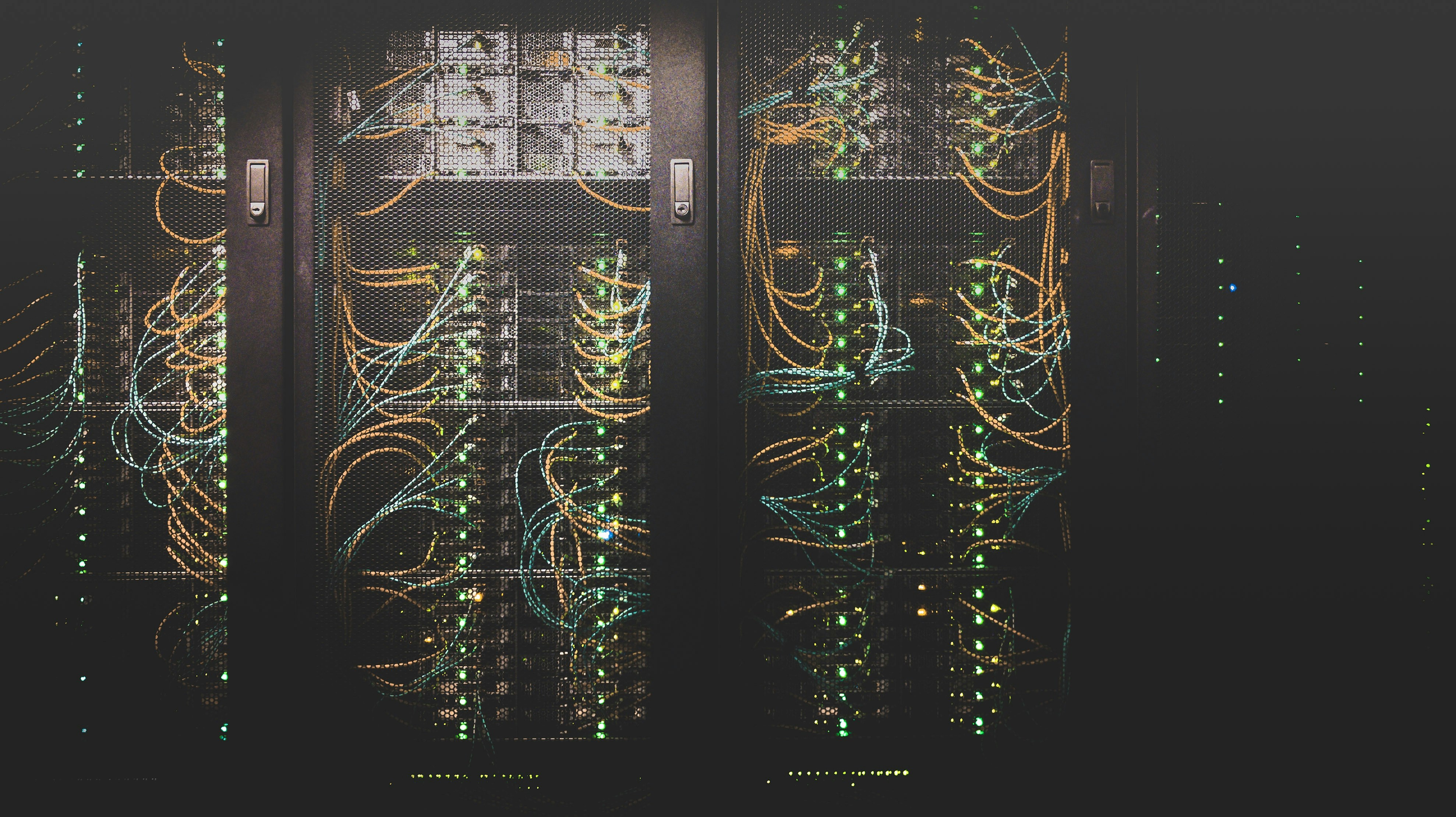
Hybrid Architectures: How We Build in 2026
Building resilient applications in low-bandwidth or high-cost environments requires a structural rethink. At Neobot Tech, our 2026 production stack separates workloads into three distinct execution tiers:
- The Client Tier (Zero Latency): Local execution of user state and immediate AI client validation using WebGPU.
- The Edge Tier (Network Speed): Context-aware API gateways deployed to global edge locations using lightweight frameworks. If you are building modern frontends, our guide on Building Production Next.js 15 Apps in Nigeria: Performance, SEO & Deployment on a Budget dives deep into optimizing server actions and static edge rendering for budget-conscious teams.
- The Core Origin Tier (Heavy Storage & Compliance): Hardened databases reserved purely for transactional consistency, compliance auditing, and secure integrations.
This hybrid paradigm drastically cuts operating overhead. Instead of pushing millions of raw validation requests to expensive cloud clusters, network edges handle pre-computation.
Consider identity verification in financial services. When processing high volumes of KYC documentation, performing initial document parsing and optical character recognition (OCR) via edge-deployed models prevents invalid data from hitting costly upstream identity APIs. To see how this applies to real-world financial rails, explore our comprehensive technical breakdown on NIN & BVN API Integration for Nigerian FinTech Products: A Developer Guide (2026).
Open-Source SLMs vs. Proprietary Cloud APIs
The shift toward edge compute is accelerated by open-source innovation hosted on repositories like GitHub and model hubs like Hugging Face. Proprietary model providers once held an unassailable performance moat. Today, hyper-specialized fine-tuned models—such as Llama-3-8B variants or Mistral derivatives—consistently outperform generalized cloud models on domain-specific enterprise tasks.
// Example: Modern 2026 Edge Execution Pattern using Edge Runtime
import { Pipeline } from '@xenova/transformers';

export const config = {
  runtime: 'edge',
};

export default async function handler(req: Request) {
  const { text } = await req.json();

  // Run local inference on the edge node without external API calls
  const classifier = await Pipeline.getInstance('text-classification', 'Xenova/distilbert-base-uncased-finetuned-sst-2-english');
  const result = await classifier(text);

  return new Response(JSON.stringify({ status: 'success', data: result }), {
    headers: { 'content-type': 'application/json' },
  });
}
By executing inference on the edge worker directly, this pattern eliminates the network hop to external LLM providers, protects user privacy, and removes per-token billing charges entirely.
The Verdict: Adapt your Stack or Pay the Cloud Tax
The era of mindless cloud spending is over. The software engineering leaders winning in 2026 are those who audit their infrastructure, push compute to the boundaries of the network, and treat centralized cloud servers as a last resort rather than a first choice.
Whether you are scaling a FinTech platform, an enterprise SaaS product, or an AI consumer app, shifting your compute footprint closer to your users isn't just an performance upgrade—it's an economic imperative.
Neobot Engineering Standard
Every system deployed by Neobot Tech incorporates enterprise baseline practices. We continuously audit our database topologies, REST API query paths, and frontend modular bundles to prevent latency spikes and ensure top-tier security posture.
Discussion
Comments Coming Soon
We are currently migrating our discussion engine to a new real-time database schema. Check back shortly to join the conversation.