The Death of Heavy Cloud: Why 2026 Belongs to Sovereign Edge AI Agents in African FinTech

As dollar-denominated cloud bills crush margins and latency requirements tighten, African software architecture in 2026 is undergoing a massive shift toward WASM micro-runtimes and sovereign AI agents.
The Great Infrastructure Pivot of 2026
For nearly a decade, the playbook for building African tech was predictable: spin up Kubernetes clusters on AWS US-East-1, deploy monolithic microservices, and route every customer transaction through centralized cloud datacenters thousands of miles away. In 2026, that playbook is dead.
Fluctuating foreign exchange rates and soaring dollar-denominated infrastructure costs have forced engineering teams across West Africa to rethink their stack. The industry is no longer satisfied with paying premium cloud markups for compute that can be pushed to the edge. Simultaneously, the rise of autonomous, multi-modal AI agents has changed user expectations. Today's financial applications don't just display balances—they negotiate loans, audit transactions in real time, and execute fraud mitigation autonomously.
Welcome to the era of Sovereign Edge AI and WebAssembly (WASM).
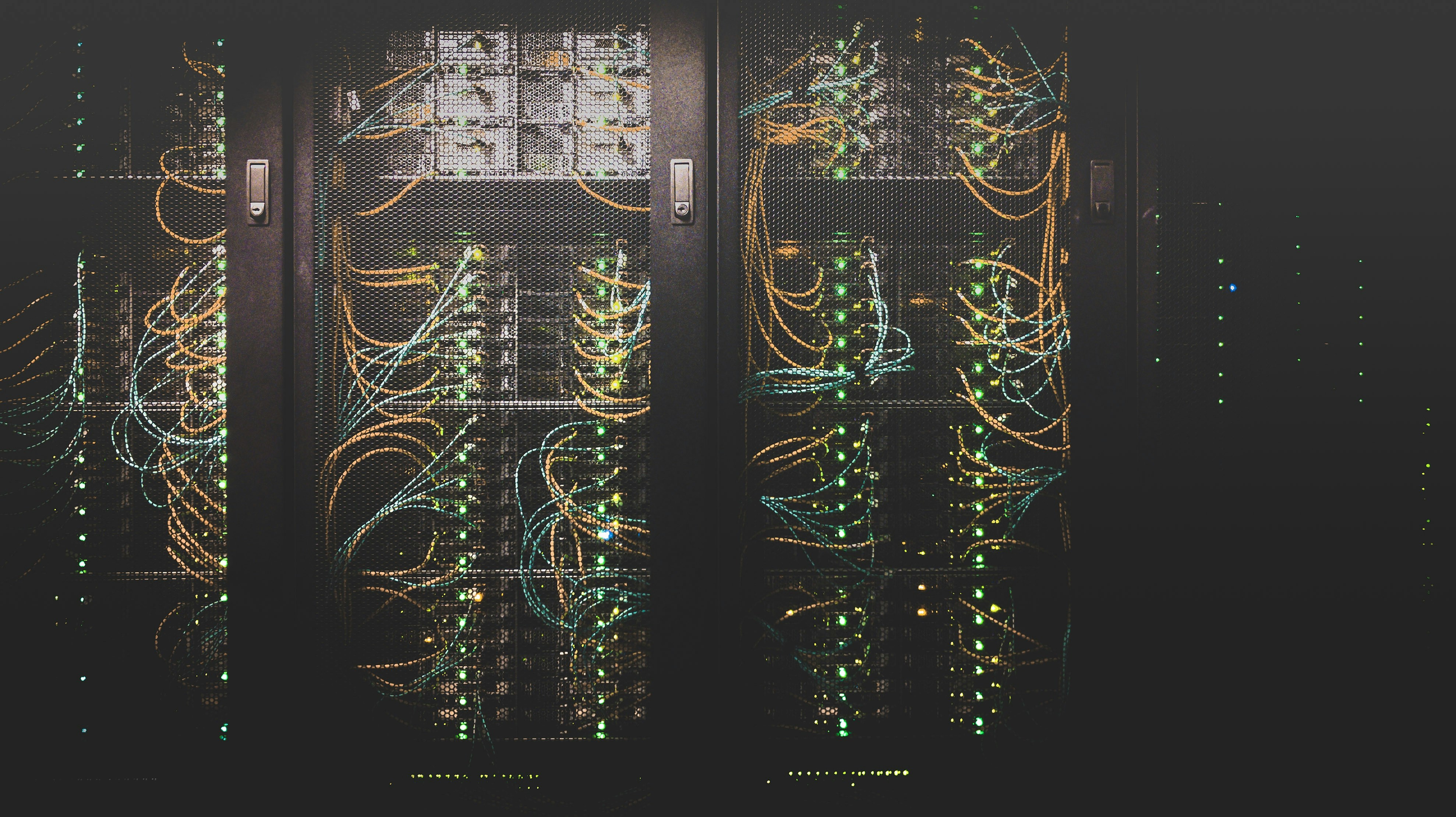
Shift 1: Replacing Heavy Containers with WASM Micro-Runtimes
Docker containers served us well, but cold-start latencies and high RAM footprints are crippling when running hundreds of localized AI workflows. Enter WebAssembly at the backend.
In 2026, forward-thinking engineering teams are deploying lightweight Rust-compiled WASM binaries directly to edge nodes. Tools like WebAssembly runtimes allow micro-services to start in sub-milliseconds with less than 5MB of memory usage.
// Example: 2026 WASM Lightweight Micro-Validation Engine
use wasm_bindgen::prelude::*;

#[wasm_bindgen]
pub fn validate_edge_transaction(amount: f64, risk_score: f32) -> bool {
    if risk_score > 0.85 {
        return false;
    }
    amount < 5000000.0
}
By running business logic closer to the user on platforms like Cloudflare Workers and local edge data caches, engineering teams are cutting infrastructure spend by up to 65% while dropping API roundtrip times from 450ms down to under 30ms.
Shift 2: Autonomous AI Agents Over Passive API Endpoints
Traditional FinTech architectures relied heavily on passive REST APIs where the user UI made sequential network calls to complete an action. In 2026, autonomous agentic workflows handle multi-step verifications asynchronously.
Instead of making five API calls to verify identity, check credit scores, calculate risk, and disburse loans, decentralized AI agents operate locally to resolve state. These agents interface directly with compliance endpoints without clogging centralized databases.
For teams implementing complex verification workflows, seamlessly integrating regulatory data remains paramount. Check out our deep-dive guide on NIN & BVN API Integration for Nigerian FinTech Products: A Developer Guide (2026) to see how agentic pipelines validate user identity with zero human intervention.
Shift 3: Offline-First Edge Persistence & Local Data Sovereignty
Network reliability in emerging markets has dramatically improved, but zero-trust offline resilience remains non-negotiable. Modern African applications are moving toward local-first data synchronization paradigms using CRDTs (Conflict-free Replicated Data Types) and SQLite at the edge.
+-----------------------+        +-----------------------+
|   Mobile Device       |        |   Local Edge Node     |
|  - SQLite (Local)     | <----> |  - WASM AI Runtime    |
|  - Local AI Agent     | Sync   |  - CRDT State Sync    |
+-----------------------+        +-----------------------+
Rather than assuming a persistent 5G connection, 2026 architecture assumes disconnection by default. Transactions are signed, validated by embedded local models, stored in encrypted offline stores, and synced lazily when connectivity resumes.
If you are building applications meant to thrive in low-bandwidth environments, read our actionable breakdown on Building Offline-First Mobile Apps for Low-Connectivity Areas in Nigeria.
The Takeaway for Tech Leaders
The software industry in 2026 is penalizing architectural bloat. The winning applications of this decade are not those with the largest cloud budgets, but those engineered for ultra-low latency, decentralized agent execution, and local data sovereignty.
At Neobot Tech, we are actively helping founders and enterprise engineering teams migrate away from legacy cloud monopolies toward resilient, edge-native systems. The future of engineering is distributed, intelligent, and sovereign.
Neobot Engineering Standard
Every system deployed by Neobot Tech incorporates enterprise baseline practices. We continuously audit our database topologies, REST API query paths, and frontend modular bundles to prevent latency spikes and ensure top-tier security posture.
Discussion
Comments Coming Soon
We are currently migrating our discussion engine to a new real-time database schema. Check back shortly to join the conversation.